




About Post-Workout Mix 450 g
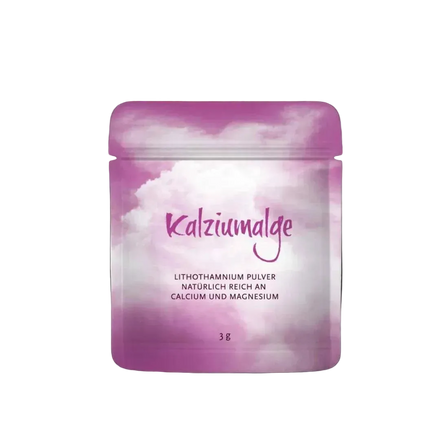
After training, what matters is what your body gets. PureRaw Post-Workout Mix was specially developed for the time after physical activity and combines plant-based proteins as well as minerals such as calcium and magnesium from carefully selected natural products. Hemp protein, spirulina algae and CollagenLike.
- Ideal for the daily post-workout routine
- Stir into drinks as well as food and enjoy.
Recommended intake
Application
Nutritional values & ingredients of Post-Workout Mix 450 g
| Nährwert | per 100 g |
|---|---|
| Energy | 1459 kJ / 356 kcal |
| Fat | 8.6 g |
| of which saturates | 1.7 g |
| Carbohydrate | 34.3 g |
| of which sugars | 14.4 g |
| Fibre | 21.4 g |
| Protein | 23.7 g |
| Salt | 0.4 g |
| Vitamin C | 40 mg (50 %)* |
| Potassium | 365 mg (18 %)* |
| Calcium | 2430 mg (304 %)* |
| Magnesium | 202 mg (54 %)* |
| Iodine | 70 µg (47 %)* |
| Nährwert | per serving (15 g) |
|---|---|
| Energy | 219 kJ / 53 kcal |
| Fat | 1.3 g |
| of which saturates | 0.8 g |
| Carbohydrate | 5.2 g |
| of which sugars | 2.2 g |
| Fibre | 3.2 g |
| Protein | 3.5 g |
| Salt | 0.1 g |
| Vitamin C | 6 mg (8 %)* |
| Potassium | 54.7 mg (3 %)* |
| Calcium | 364.5 mg (46 %)* |
| Magnesium | 30.3 mg (8 %)* |
| Iodine | 10.5 µg (7 %)* |
*% NRV = Nutrient Reference Values for daily intake (according to EU 1169/2011)
Important notes
Frequently asked questions about Post-Workout Mix 450 g

Was ist Spirulina?
Spirulina (Spirulina platensis) ist eine Mikroalge aus der Gruppe der Cyanobakterien, die früher als Blaualge bezeichnet wurde. Die Spirulina Alge wächst in warmem, flachem Wasser und wird getrocknet als Pulver, Flakes oder Tablette verzehrt. Spirulina ist von Natur aus vegan.
Welche Inhaltsstoffe und Nährwerte hat Spirulina?
Getrocknete Spirulina besteht zu mehr als der Hälfte aus Eiweiß. Außerdem enthält Spirulina Mineral- und Mikronährstoffe wie Vitamin K1, Eisen, Kalium und Phosphor sowie die natürlichen Farbstoffe Chlorophyll und Phycocyanin. Da Spirulina ein Naturprodukt ist, können die natürlichen Gehalte einzelner Nähr- und Inhaltsstoffe je nach Anbaubedingungen und Charge variieren. Die konkreten Nährwertangaben findest du deshalb immer in der Nährwerttabelle des jeweiligen PureRaw Produkts.
Wie nehme ich Spirulina ein und wie viel Spirulina darf ich am Tag essen?
Wie du Spirulina verwendest, hängt vor allem von der Produktform ab. Spirulina Tabletten kannst du mit ausreichend Flüssigkeit einnehmen. Spirulina Pulver lässt sich in Wasser, Saft oder Smoothies einrühren oder in Speisen verwenden. Spirulina Flakes eignen sich zum Beispiel als Topping für Bowls, Salate und andere Gerichte.
Die empfohlene Tagesmenge findest du beim jeweiligen PureRaw Produkt. Bei Spirulina Pulver handelt es sich um ein Lebensmittel, bei unseren Spirulina Tabletten um ein Nahrungsergänzungsmittel mit entsprechend angegebener täglicher Verzehrmenge. Eine allgemein festgelegte optimale Tagesmenge für Spirulina gibt es nicht. Spirulina lässt sich grundsätzlich regelmäßig in eine abwechslungsreiche Ernährung integrieren. Wenn du aufgrund von Vorerkrankungen, Medikamenteneinnahme oder einer besonderen Ernährungssituation unsicher bist, welche Menge für dich persönlich sinnvoll ist, kannst du dich individuell von einer Ärztin oder einem Arzt, einer Ernährungsfachkraft oder einer anderen entsprechend qualifizierten Fachperson beraten lassen.
Spirulina tablets or powder: which is better?
Which spirulina product suits you better depends mainly on how you prefer to integrate spirulina into your everyday life. Spirulina tablets and spirulina powder are made from the same raw material. Spirulina tablets are easy to portion and simple to take with you. Spirulina powder can be stirred into smoothies, shakes, bowls or other dishes and used in many ways in the kitchen. More important than the form is regularity: choose the spirulina variant that suits you and that you enjoy using consistently.
What is the difference between spirulina and chlorella?
Spirulina and chlorella are both referred to as microalgae, but they differ considerably in biology and taste. Spirulina is a cyanobacterium that, because of its blue-green color, is traditionally also called blue-green algae. In taste, spirulina is rather savory, with a slight umami note that is a little reminiscent of vegetable broth.
Chlorella, by contrast, is a single-celled green alga with a firm cell wall. Its taste is best described as slightly grassy, hay-like and nutty. At PureRaw you will find spirulina and chlorella individually as well as combined in our Spirulina & Chlorella tablets in a 50:50 ratio.
Was ist bei der Einnahme von Spirulina zu beachten?
Bei der Einnahme von Spirulina solltest du die Verzehrempfehlung und Hinweise auf der Packung beachten und bei besonderen Lebensumständen vorher Rücksprache halten. Spirulina lässt sich unkompliziert in die tägliche Ernährung integrieren. Spirulina Pulver ist ein Lebensmittel. Unsere Spirulina Tabletten bestehen ebenfalls aus Spirulina, werden aufgrund ihrer portionierten Form jedoch als Nahrungsergänzungsmittel angeboten.
Spirulina enthält natürlicherweise Sulfite. Wenn du auf Sulfite empfindlich oder allergisch reagierst, solltest du das berücksichtigen und die Hinweise beim jeweiligen Produkt beachten.
Spirulina Tabletten sind für Kinder unter drei Jahren aufgrund der Verschluckungsgefahr nicht geeignet. Das liegt an der Form der Tabletten und nicht an der Spirulina selbst. Je nach Alter können Spirulina Pulver zum Einrühren in Speisen oder Getränke oder Spirulina Flakes eine Alternative sein.
Schwangerschaft und Stillzeit sind besondere Lebensphasen, in denen sich auch der Nährstoffbedarf verändert. Spirulina kann Bestandteil einer abwechslungsreichen Ernährung sein. Gerade in dieser Zeit ist es sinnvoll, die Ernährung und Nährstoffversorgung auf den persönlichen Bedarf abzustimmen. Wenn du unsicher bist, kannst du dich individuell von einem Arzt oder einer qualifizierten Ernährungsfachkraft beraten lassen. Auch bei Vorerkrankungen oder regelmäßiger Medikamenteneinnahme lässt sich nicht pauschal beurteilen, was für jeden Einzelnen passend ist. Wenn du unsicher bist, ob Spirulina zu deiner persönlichen Situation oder zu bestimmten Medikamenten passt, besprich das am besten mit einem Arzt oder einer qualifizierten Fachperson, die deine individuelle Situation kennt.
Grundsätzlich gilt: Spirulina ist ein Lebensmittel und kein Arzneimittel. Bei individuellen gesundheitlichen Fragestellungen ist eine persönliche Beratung sinnvoller als eine pauschale Empfehlung.
Wie lagere ich Spirulina Pulver richtig und wie lange ist es haltbar?
Spirulina Pulver bewahrst du am besten kühl, trocken und lichtgeschützt auf. Das Mindesthaltbarkeitsdatum steht auf dem Etikett. Es gilt für die ungeöffnete Packung bei richtiger Lagerung. Mit diesen Tipps bleibt dein Spirulina Pulver in gutem Zustand:
- Dicht verschließen: Nach jeder Entnahme die Packung gut verschließen, damit keine Feuchtigkeit hineingelangt.
- Trockener Löffel: Nimm das Pulver nur mit einem trockenen Löffel heraus. Das gilt auch für den Griff in den Smoothie-Becher.
- Lichtgeschützt und kühl lagern: Spirulina enthält unter anderem lichtempfindliches Chlorophyll. Bewahre das Produkt deshalb möglichst konsequent vor Licht und Wärme geschützt auf. Ein kühler Vorratsschrank ist ein geeigneter Lagerort. Direkte Sonneneinstrahlung und die Lagerung in der Nähe von Wärmequellen solltest du vermeiden.
- Beim Umfüllen auf Lichtschutz achten: Wenn du Spirulina Pulver aus der Originalverpackung umfüllst, eignet sich ein verschließbares Vorratsglas mit UV-Schutz besonders gut. So lässt sich das Spirulina Pulver komfortabel entnehmen und bleibt gleichzeitig bestmöglich vor Licht und Feuchtigkeit geschützt.
Spirulina Tabletten und Spirulina Flakes lagerst du genauso wie Spirulina Pulver: trocken, lichtgeschützt und bei Raumtemperatur. Die Originalverpackung ist dafür bestens geeignet. Darin ist deine Spirulina vor äußeren Einflüssen geschützt und ihre Qualität bleibt lange erhalten. Wie bei anderen Lebensmitteln kannst du dich an Aussehen, Geruch und Konsistenz orientieren.
What are spirulina tablets?
Spirulina tablets consist of pure Spirulina platensis. Spirulina is a microalga or, more precisely, a genus of cyanobacteria that used to be commonly referred to as “blue-green algae”. The tablets are easy to dose, simple to take and ideal for anyone who wants to integrate spirulina into their everyday life without stirring or blending.
Why is the German spirulina not certified organic?
Since the end of 2015, the EU organic regulation has in principle allowed organic certification of microalgae. However, this process is demanding because it requires specific substrates (fertilizers). After thorough examination, we found that some of these substrates are either not vegan or do not meet our high quality criteria. We would also like to stress that transporting fertilizers such as guano around the world is neither vegan nor ideal for the algae, and does not meet our sustainability standards. Despite the possibility of having our microalgae certified organic, we have decided against it for the time being. This step serves to make sure that all the substrates and processes we use meet our own strict quality standards. Your health and satisfaction, as well as the high quality standard of our algae, come first for us.
Where does your spirulina come from? (German spirulina)
Our spirulina is grown in Germany. It is cultivated on small, family-run farms in northern Germany.
There, the algae grow in shallow ponds inside a greenhouse. This creates ideal growing conditions and avoids external contamination as far as possible. The entire cultivation is subject to constant quality controls.
What nutrients does spirulina contain?
Spirulina holds the concentrated power of the microalga: plant-based protein, naturally occurring minerals and valuable micronutrients. These include vitamin K1, potassium, iron and phosphorus, embedded in a pure, natural power food grown in Germany. Vitamin K contributes to normal blood clotting and to the maintenance of normal bones.
How is the spirulina harvested and processed?
The spirulina is harvested from the cultivation solution with fine-mesh nets and then gently dried at approx. 42 °C. This gentle drying helps preserve the valuable ingredients and makes raw food quality possible.
The dried spirulina is then pressed into tablets. We do not use any additives, fillers or processing aids. The result is pure, high-quality spirulina tablets.
Are spirulina tablets a plant-based source of protein?
Yes. Spirulina naturally contains plant-based protein and is therefore well suited to a conscious, plant-based diet.
Spirulina tablets are particularly popular with people who want to integrate spirulina into their everyday life without any fuss – whether at home, at the office, when traveling or around their sports routines.
Are spirulina tablets a good source of vitamin B12?
Spirulina is often associated with vitamin B12. However, it is important to know: spirulina mainly contains so-called vitamin B12 analogues, also known as pseudo-vitamin B12. These forms are not considered a reliable source of vitamin B12 for humans.
For your vitamin B12 supply we therefore recommend not spirulina but specifically our German chlorella. It has been analytically tested and is proven to contain bioactive vitamin B12.
Can I take spirulina together with chlorella?
Yes, in principle spirulina and chlorella can both be part of a conscious diet. However, if your aim is specifically to absorb bioavailable vitamin B12 from our German chlorella, we recommend taking chlorella and spirulina at separate times – ideally at least 30 minutes apart.
The background: spirulina mainly contains pseudo-vitamin B12. These B12-like compounds cannot be reliably used by humans and can be mistaken for active vitamin B12. Taking them separately is therefore a sensible recommendation.
How do I take spirulina tablets?
The recommended daily intake is 4 g per day: 5 tablets twice a day = 10 tablets (4 g of spirulina) per day.
Simply swallow the tablets with plenty of liquid. They do not need to be stirred in or blended, which makes them particularly practical on the go.
Please do not exceed the stated recommended daily intake.
Do I have to chew or swallow spirulina tablets?
You can simply swallow spirulina tablets with plenty of water. They do not need to be chewed.
If you like, you can also chew the tablets or let them dissolve slowly in your mouth. Many customers enjoy this, sucking the tablets like a little “algae candy” and consciously savoring the natural spirulina taste.
Are your spirulina tablets free from additives?
Yes. Our spirulina tablets consist exclusively of: Spirulina platensis. They contain no additives, no fillers, no flavorings and no processing aids.
Rezepte & mehr zu Post-Workout Mix 450 g


